

The Twelfth Malaysia Plan (12MP) details how industry players are required to ramp up environmental, social and governance (ESG) and Sustainable Development Goals (SDGs) in their business practices. Sounds great in principle, but how do we balance growth and ESG targets?
As ESG becomes increasingly important to stakeholders and investors, outputs can become an advantage by showing them how the company makes decisions and creates value.
All it takes is a mindset shift.
Justin Chin Jing Ho, Managing Director of Gamuda Engineering spoke about this shift within the group during his panel session, Engineering a Sustainable Future: The Current State and Future Potential Through ESG Integration at the Kuala Lumpur Engineering Forum.
Right Construction Partner from the Start
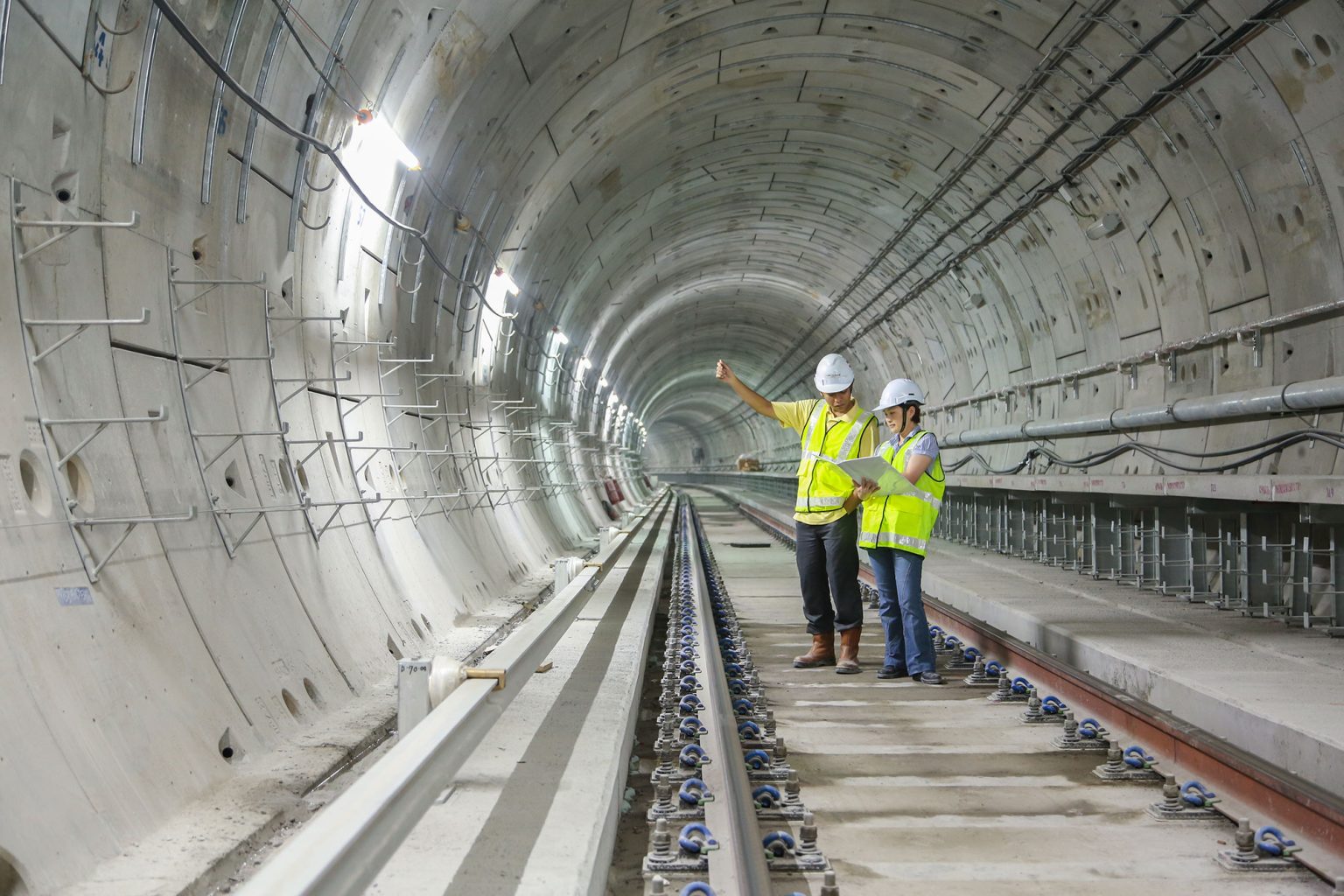
From highways to bridges to rail and metro, Gamuda has a track record in delivering multifaceted mega projects worldwide. Our rail and metro journey began in Taiwan in 2002 with the Kaohsiung MRT Metropolitan Orange Line, followed by our first local project, the Ipoh-Padang Besar Electrified Double Track Project (EDTP), and we continue to be the preferred partner today with our most recent Xizhi Donghu MRT win.
It was the Klang Valley MRT Kajang and Putrajaya Lines that further solidified the Group’s reputation as a strong rail and infrastructure partner.
“We have substantial capabilities in design, planning, civil and structural (C&S) fields due to the various infrastructures that we had delivered. Being the turnkey contractor for the nation’s first metro required systems works expertise, which was new to us at the time, and we wanted to build on that. To complement our team, we brought in experts for knowledge transfer,” said Encik Adil Putra bin Ahmad, Executive Director of Gamuda Engineering.
“When we established the Gamuda Green Plan 2025, we wanted to explore how we could be more sustainable especially via digitalisation. We take a data-driven approach to ESG because data is very crucial in tracking, measuring and reporting on our ESG progress,” said Chin.
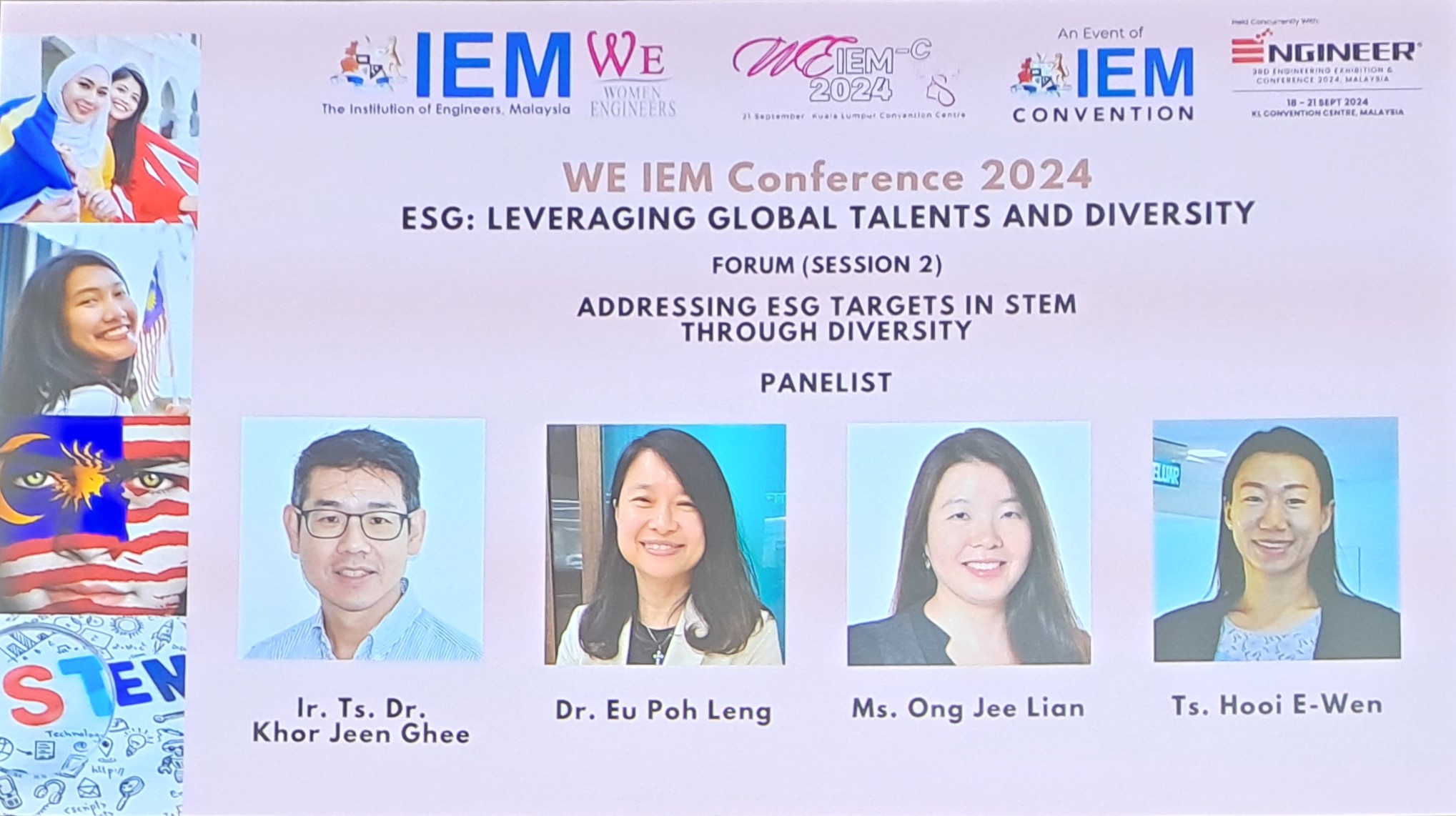
“ESG gives companies a competitive leverage. Disclosing ESG outcomes gives investors visibility on their investment that is fast becoming an imperative weightage in their decision-making?” said Ong.
That’s where STEM comes in.
Gamuda’s own engineers accelerated tech innovations within the company. “The deal was if we could demonstrate innovation and make them viable, then we could do what we have set forth to do,” recalled Chin. And Gamuda delivered.
The Gamuda Digital Operating System (GDOS) [one brainchild of this ongoing exercise] unifies the Group’s enterprise data, enabling multidisciplinary and regional collaboration and information sharing on a single platform. This includes ESG-related data that helps us track our Gamuda Green Plan 2025 targets.
With an ESG framework that focuses on the Social Impact and driven by evidence-based approach, Gamuda uses the Social Return on Investment (SROI) to validate its social efforts and investments. “Our overall SROI score is 3.4, meaning that every RM1 invested generates a return of RM3.40,” explained Ong.


Gamuda’s engineers have since developed breakthrough solutions that overcome sustainability challenges in construction. Its Next-Generation Digital Industrial Building System cuts down on raw materials and processes including wastage, hence saving cost and time.
Realising they were on to something, the engineers got organised. The team is now 150-strong, comprising AI and Cloud specialists and architects, with a yearly key performance indicator to dream and innovate.
“With increased implementation of digital construction, we can work in a way that was unimaginable just 10 years ago. We increase efficiency at the construction site, we reduce safety risk and we create more diverse work streams in the construction and engineering sector,” explained Ong.
Beyond the realm of infrastructure, STEM can be channelled towards a company’s social programmes. Gamuda runs various targeted STEM-related, education and training programmes that benefit diverse groups. At the Gamuda AI Academy, Malaysians can learn full-stack artificial intelligence (AI) and build the skills for tomorrow’s tech jobs. “Google Cloud selected a construction company to be their AI partner,” said Chin.
As the engineering field thrives on creativity and problem-solving, diverse perspectives and experiences from around the world can drive ground-breaking solutions.
The Group’s Diversity, Equity and Inclusivity (DEI) culture promotes the participation of women at all career levels through the support of the Gamuda Women Empowerment Network (GWEN). To ensure age diversity, we place high potential young talents in senior management roles. Gamuda’s regional strategy prioritises local hiring (including Aboriginal and Torres Strait Islander groups in Australia) and spending on local supply chains. Meanwhile, our Enabling Academy is an employment advancement initiative that coaches and places neurodivergent young adults in professional jobs.
Be it operations, projects, or ESG programmes, our efforts have a multiplier socio-economic impact that cascades across people and planet.